Promoting national quintessence to foster healthy longevity
Professor Peng Bo, Philip K.H. Wong Foundation Endowed Professor in Chinese Medicine – Geriatric Medicine
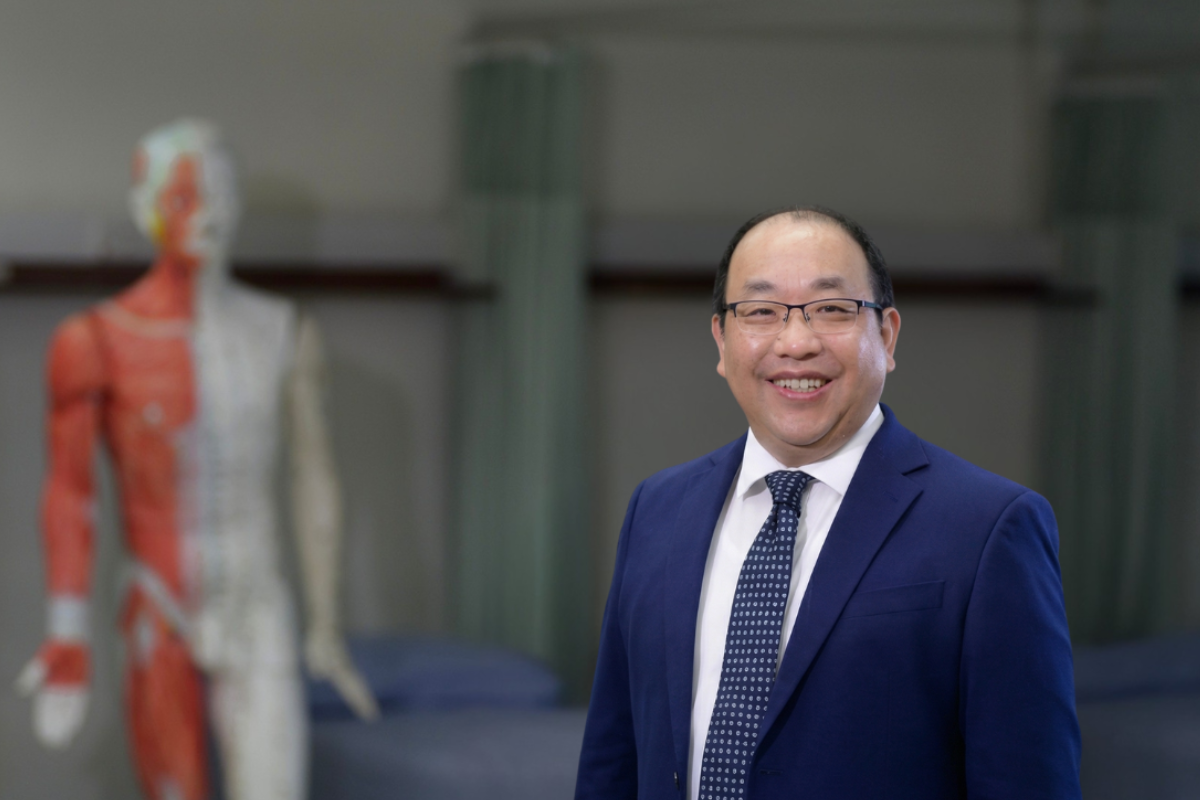
As the ageing of the global population accelerates, the importance of geriatric medicine in healthcare systems becomes increasingly prominent. With its long and rich history, Traditional Chinese Medicine (TCM) offers unique and profound practical value to geriatric people. This is thanks to its holistic perspective, its principle of Zhi Weibing (preventive treatment of disease), and its individualised treatments based on syndrome differentiation. In 2025, Professor Peng Bo, Professor of Practice at the School of Chinese Medicine, Hong Kong Baptist University (HKBU), was appointed to the Philip K.H. Wong Foundation Endowed Professorship in Chinese Medicine – Geriatric Medicine. Drawing on his extensive experience in clinical practice, teaching and research, Professor Peng has dedicated himself to advancing the development and legacy of TCM for geriatrics in order to enhance its role in the global healthcare landscape.
This interview explores Professor Peng’s philosophy and vision for geriatric medicine. It reveals how a dedicated physician, who is deeply rooted in tradition, continues to innovate while also upholding core principles in a changing era.
The origins of a commitment to Chinese Geriatric Medicine
Born into a distinguished family of TCM practitioners, Professor Peng was immersed from a young age in this discipline and nurtured a deep-seated interest in it. “My elders’ teachings, both by word and by deed, and their meticulous guidance laid my medical foundations,” he explains. “Years of systematic study and clinical practice further strengthened my conviction in the value of TCM, and I resolved to preserve and advance this field of study.” During his master’s studies, one of his mentors, who is now recognised as a National Master of Chinese medicine, introduced the concept of “delaying ageing” and established a professional committee on the subject. Professor Peng recalls, “At that time, I assisted him in publishing Modern Chinese Medicine and the Science of Delaying Ageing (provisional translation), one of the earliest monographs on the Chinese mainland to explore the concept of TCM geriatrics.”
This experience profoundly influenced Professor Peng, leading him to focus on vascular health, airway health, and emerging respiratory infectious diseases, with a particular expertise in diagnosing and treating geriatric conditions and complex internal disorders. Over the past two decades, as the world has faced major infectious disease outbreaks such as SARS, avian influenza, and COVID-19, Professor Peng, renowned for his compassion and skills, has consistently been on the front lines, using his expertise to help numerous patients.
Lessons from the pandemic: a call for stronger clinical research on the elderly
During the severe COVID-19 outbreak in 2022, HKBU threw its weight behind the fight against the pandemic. The University swiftly established the HKBU Chinese Medicine Telemedicine Centre Against COVID-19, providing remote consultations for patients and delivering medicine to them. Appointed by the Hong Kong SAR Government as one of the operators of the Kai Tak Holding Centre, the University also deployed a team of Chinese medicine practitioners to offer TCM-based treatments for mild cases admitted to the mobile cabin facility. As a leader of the HKBU Chinese Medicine Team Against COVID-19, Professor Peng devoted tremendous efforts to the Team’s work throughout the pandemic. His most profound experience came in personally treating patients at the Kai Tak facility. As he recalls, “The sight of elderly people lying in rows of hospital beds, with their frail appearance, struck me deeply. I had never seen such a large group of helpless older adults. That moment strengthened my resolve to dedicate myself to geriatric medicine.”
Subsequently, Professor Peng collaborated with Professor Lyu Aiping, Vice-President (Research and Development) of HKBU, and Professor Bian Zhaoxiang, MH, Associate Vice-President (Clinical Chinese Medicine) of HKBU, to distil the team’s experience in serving more than 41,000 COVID-19 patients. They compiled valuable clinical cases into the monograph Selected Medical Cases of COVID-19 (《2019冠狀病毒病醫案選粹》), preserving precious TCM anti-pandemic insights for fellow practitioners and future scholars. One notable case describes a nonagenarian patient who was taking 24 different Western medicines daily, practically the equivalent of a Hong Kong-style “24-flavour” herbal decoction. As each dose involved taking a handful of pills, the elderly and forgetful patient often missed, underdosed, or overdosed on medication. After thorough discussion with Western medical colleagues, the team adjusted the treatment to Chinese herbal granules, tuina (Chinese massage), and moxibustion, which significantly reduced the patient’s medication burden. In the book, Professor Peng wrote: “Currently, most disease diagnosis and treatment guidelines are designed for young and middle-aged adults and are unsuitable for the elderly. Now that Hong Kong has entered an ageing society, we must actively study the physiological and pathological characteristics of older adults and conduct targeted clinical research to safeguard their health.”
The strengths of TCM in managing geriatric diseases
A saying from the Huangdi Neijing (Yellow Emperor’s Classic of Internal Medicine) states, “When a disease is said to be incurable, it is only because the right method has not yet been found.” Professor Peng strongly agrees with this sentiment, believing that if one approach fails, another should be tried. In his view, there is always a solution, and one should never give up easily. “When faced with a challenging case where medication alone reaches its limits, we turn to alternative therapies like acupuncture. Meticulous exploration is key when the path seems blocked, and combining multiple methods can reveal new possibilities.”
TCM is a relatively macroscopic medical system that emphasises daily habits, diet, regulating emotion, and the interconnected stages of disease prevention, physical conditioning, health maintenance, and rehabilitation. It addresses not just the illness itself but the balanced management of health across the entire life cycle. Its application can reduce the risks and side effects associated with polypharmacy (generally defined as the concurrent use of five or more medications) in Western medicine. “Many seniors suffer from multiple chronic conditions and polypharmacy,” Professor Peng observes. “The traditional model of specialised, compartmentalised treatment often fails to meet these patients’ holistic needs. TCM’s macro-level, integrative approach, by contrast, is particularly well-suited to the field of geriatric medicine.”
With Hong Kong’s rapidly ageing population, Professor Peng identifies three major health challenges: the dilemma of multimorbidity and polypharmacy, a healthcare system that prioritises treatment over prevention, and the rise of functional decline and mental health imbalances. As physiological functions decline with age, the prevalence of multiple co-existing conditions increases significantly, and polypharmacy can exacerbate adverse drug interactions, sharply elevating health risks. The integration of TCM presents promising new avenues for treatment. “TCM emphasises ‘preventive treatment’,” Professor Peng explains. “By incorporating health preservation, medicated diets, and non-pharmacological therapies (such as acupuncture, cupping, and massage), we can provide older adults with more comprehensive care.” Looking ahead, he envisions that combining TCM with artificial intelligence (AI) could further advance an integrated system for healthy ageing, one that encompasses prevention, healthcare, treatment and rehabilitation.
Translating research into novel drugs
With more than thirty years of experience in clinical practice and academia, Professor Peng has developed his own distinctive perspective on geriatric medicine. Inspired by the core principles of the Huangdi Neijing, he proposed the TCM health concept of “fulfilling one’s natural lifespan”. This stresses the critical need to distinguish between disease and natural degeneration. “Many so-called symptoms of degeneration and ageing are in fact caused by underlying diseases, rather than true senescence,” he explains.
Professor Peng believes that blood vessels and airways are the most vital channels in the human body. Their conditions are key determinants of ageing, directly influencing disease-free life expectancy. To nurture a long and healthy life, it is essential to maintain vascular and airway health, thereby achieving the ideal state of abundant jing (essence), sufficient qi (energy), and vigorous shen (spirit). “My research is grounded in TCM theories of heart-lung interconnections and qi-blood-body fluid dynamics, combined with modern medical science,” he says. “We explore effective methods and medicines to protect blood vessels and airways, with the aim of delaying, halting, or even reversing their ageing processes, so as to sustain health and promoting longevity.” The over-arching goal is to help more seniors maintain their self-care ability and live independently.
Professor Peng and his team have successfully developed two new TCM-based drugs, which expand treatment options for geriatric conditions. Guided by the therapeutic principle of “expelling pathogens while reinforcing healthy qi”, he advocates a three-pronged approach of tonifying qi, invigorating blood circulation, and resolving phlegm. This can help safeguard vascular and airway health, enabling older adults to maintain physiological vitality despite their advanced age. Professor Peng is confident that more innovative TCM medicines will emerge in the future, bringing great benefit to the silver generation.
When East meets West: a complementary partnership
Hong Kong’s first Chinese medicine hospital commenced phased operations in late 2025, dedicated to advancing integrated clinical services that bridge Chinese and Western medicine. Professor Peng asserts that in addressing common internal diseases among the elderly, the two disciplines can work synergistically, leveraging their respective strengths while compensating for each other’s limitations. He cites vascular health as a prime example: for acute and severe conditions such as vascular blockages, Western medicine remains the first-line treatment. However, during non-surgical management and post-operative recovery, TCM can employ targeted blood stasis-resolving methods to soften blood vessels, improve blood viscosity, and enhance circulation, delivering excellent therapeutic outcomes. Such integrated successes abound in clinical settings.
Professor Peng underscores that TCM, as a treasure of Chinese civilisation, is by no means stagnant but continuously evolves and embraces new knowledge. He notes that core TCM theories—from the monism of qi and the doctrines of yin-yang and the five elements, to the concepts of meridians, zangfu organs, and qi-blood-body fluids, can all seamlessly integrate with cutting-edge modern science. “The new generation of TCM professionals must equally value traditional Chinese culture and modern scientific progress, and train across disciplines to become true ‘generalists’,” Professor Peng states. “Only then can we better meet contemporary healthcare demands and cultivate more clinically adept and strategically minded TCM practitioners.”
Passing on traditional wisdom with the Philip K.H. Wong Foundation’s support
As the Philip K.H. Wong Foundation Endowed Professor in Chinese Medicine, Professor Peng feels a profound sense of responsibility. He expresses his heartfelt gratitude for the Foundation’s generous backing. He highlights that this endowment represents not only a long-term investment in community health and well-being but also an invaluable contribution to preserving clinical TCM research and safeguarding traditional wisdom. Professor Peng notes that the Wong family’s compassion for humanity and dedication to the Nation resonate closely with the TCM spirit of “utmost excellence and sincerity”. This shared ethos will inspire the revitalisation of TCM wisdom in modern society and set a shining example for innovative developments in geriatric medicine. Looking ahead, Professor Peng plans to utilise the resources provided by the professorship to train skilled practitioners, promote TCM education, and deepen clinical research that ushers in novel Chinese medicines.
Aside from his demanding schedule, Professor Peng maintains a regular routine of practising traditional Chinese martial arts to strengthen his body and calm his mind. Through this discipline, he has come to embody the maxim: “With perseverance, one can carve through metal and stone.” He views conviction as the cornerstone of his beloved career in TCM and encourages his peers with the poetic verse: “Do not lament the twilight of life, for the evening clouds still paint the sky aglow.” Optimistic about the continued progress of science and the bold exploration by TCM experts, Professor Peng firmly believes that realising the vision of “living to 120 with a healthy body and mind” is within reach.
*This interview was published in April 2026.
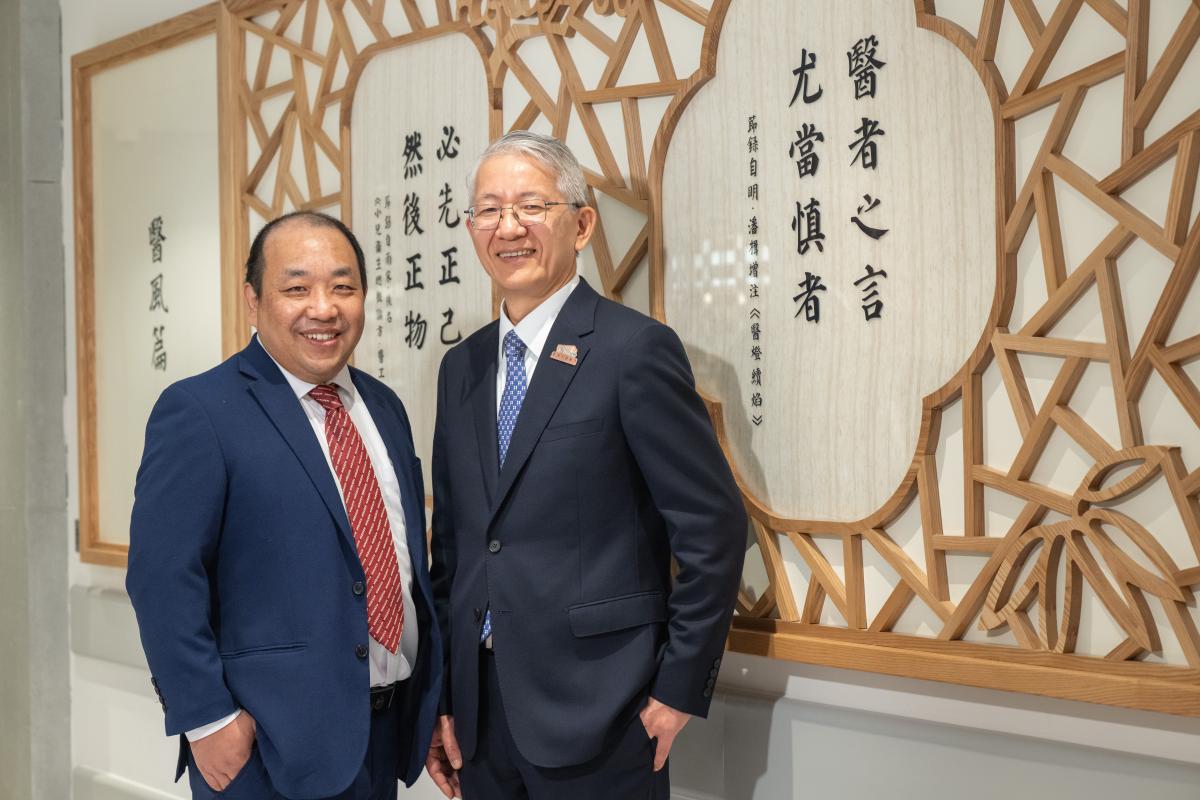 Prof. Peng (left) with Prof. Bian Zhaoxiang (right), who also serves as Chief Executive of The Chinese Medicine Hospital of Hong Kong. Having previously co‑edited a collection of clinical cases together, Prof. Bian praises Prof. Peng as a great physician for his repeated service on the front lines during major infectious disease outbreaks
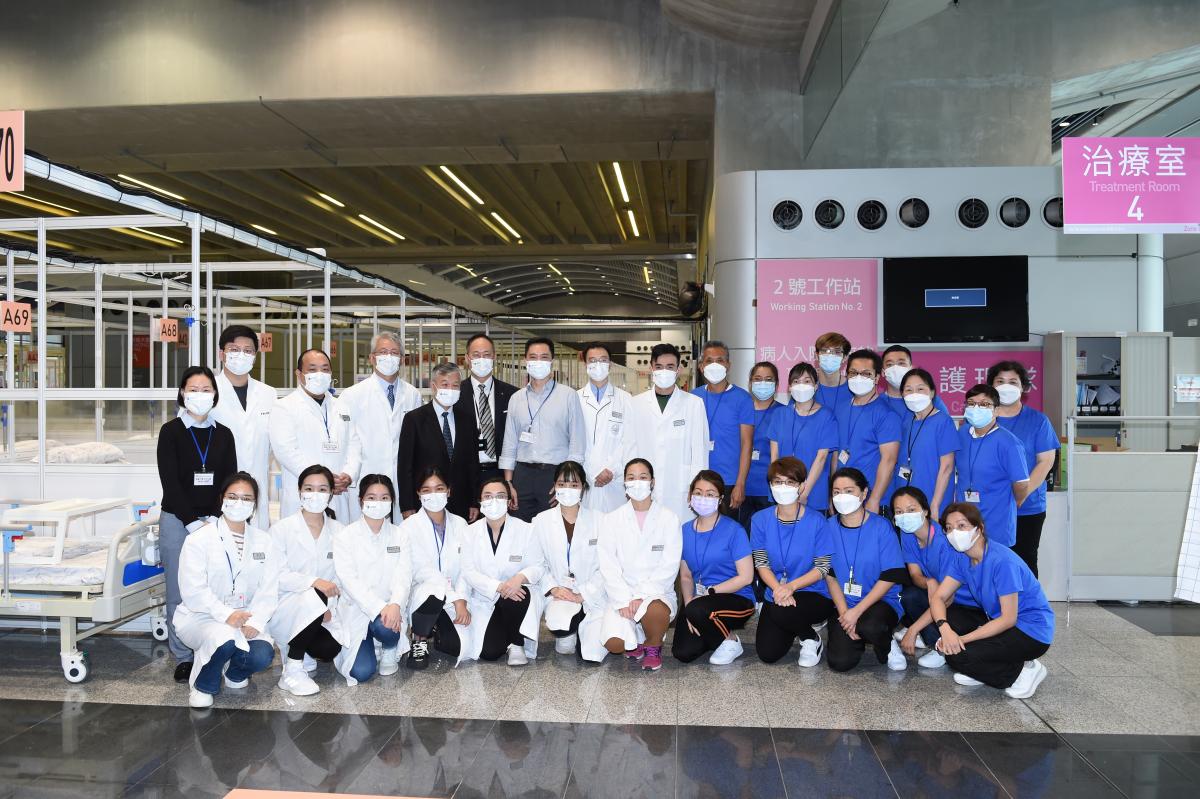 Prof. Peng (back row, 3rd from left) poses with the HKBU Chinese Medicine team at the Kai Tak Holding Centre. During the COVID-19 pandemic, HKBU, as one of the operators of the facility, deployed the team to provide TCM-based care for elderly patients with mild symptoms. Prof. Peng later compiled for fellow practitioners the clinical experience into a collection of case studies
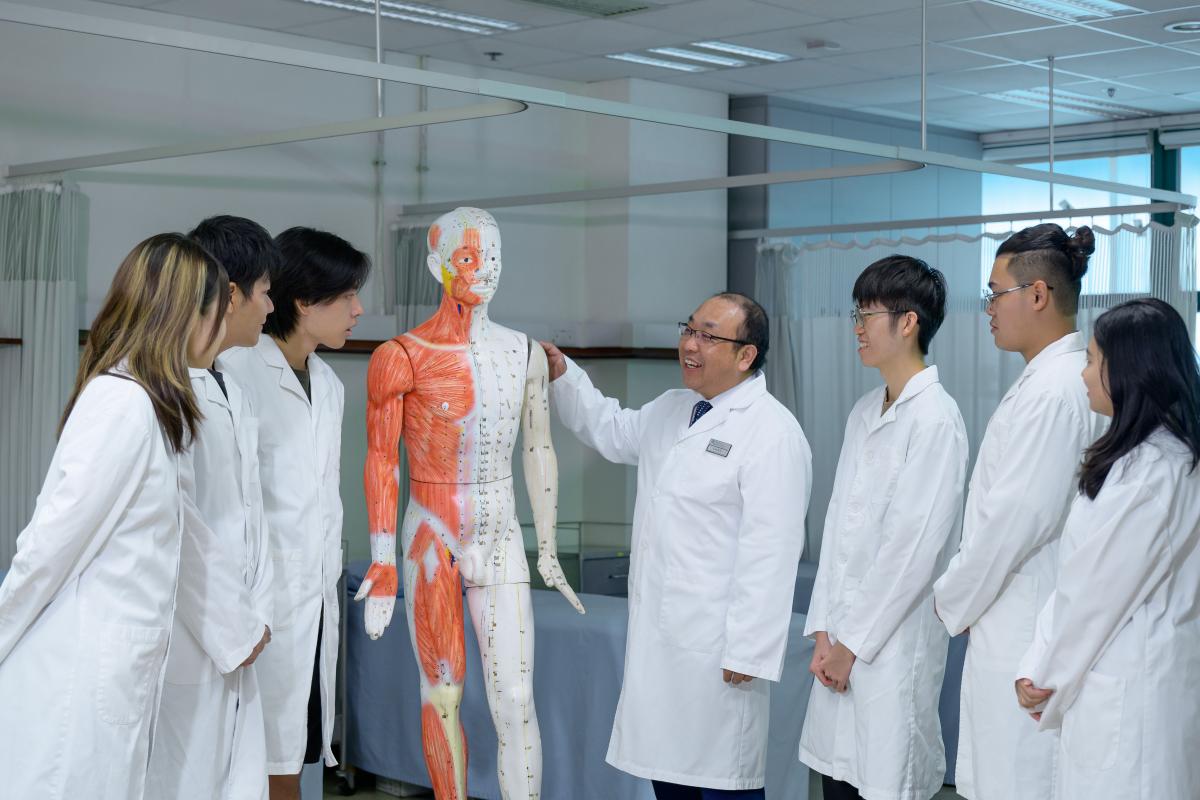 Prof. Peng (4th from right) explains that TCM emphasises the four diagnostic methods of observation, auscultation, inquiry, and palpation, a principle he instils in his students
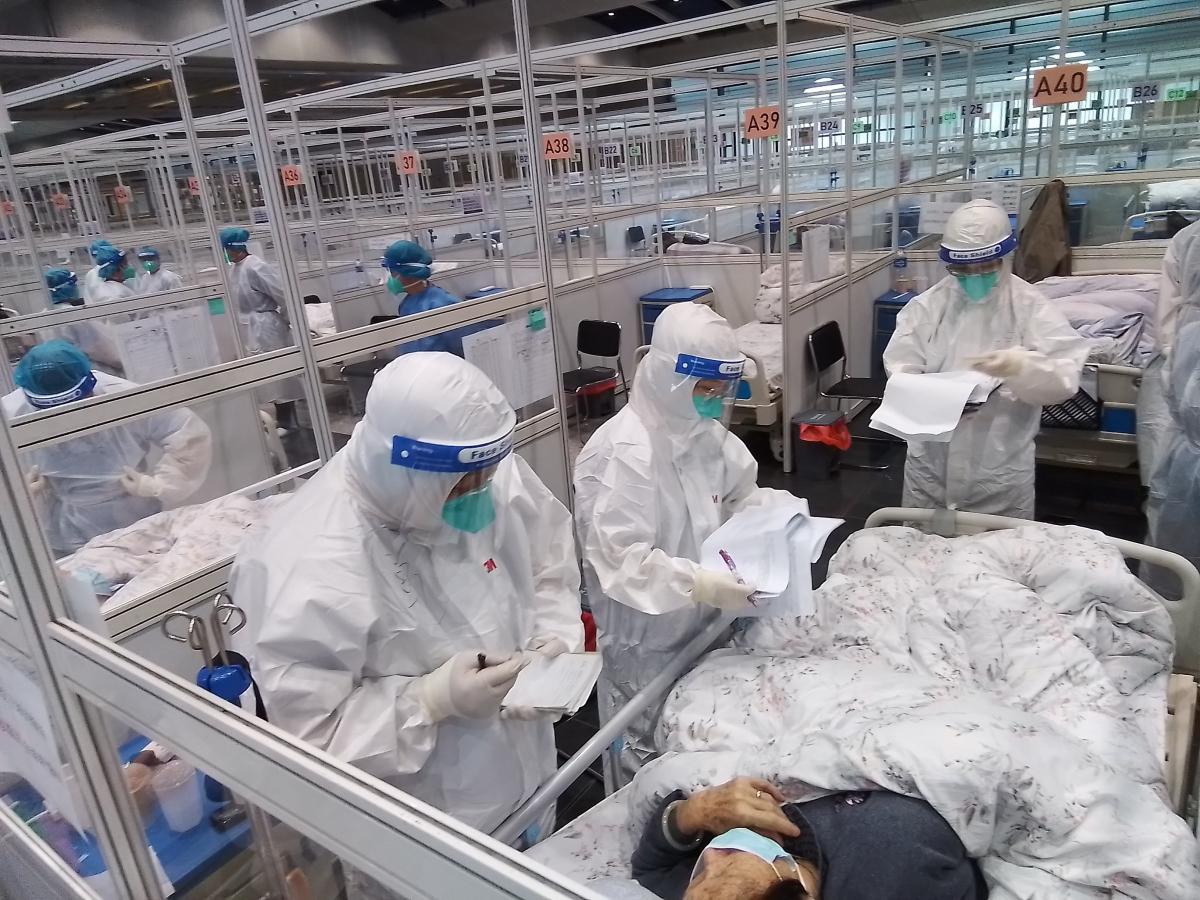 Prof. Peng (1st from left) provides treatment to a patient at the mobile cabin hospital
 Prof. Peng (right) discusses TCM approaches to treating asthma during a media interview
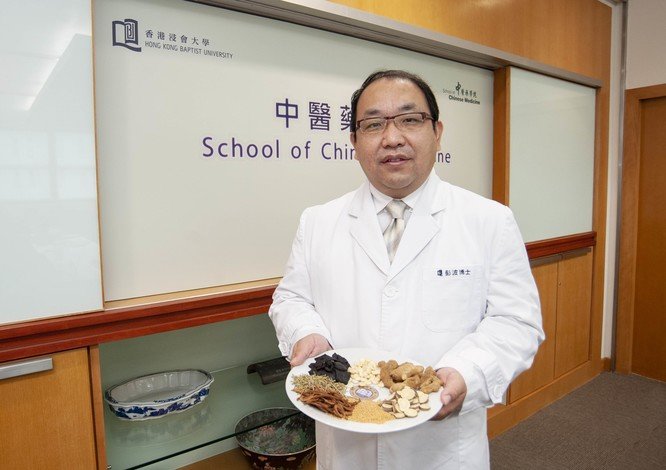 Prof. Peng holds the Chinese medicine formula “Tong Yang Shun Qi”. In 2020, his clinical study showed that 90% of asthma patients experienced symptom relief after taking the formula continuously for six weeks
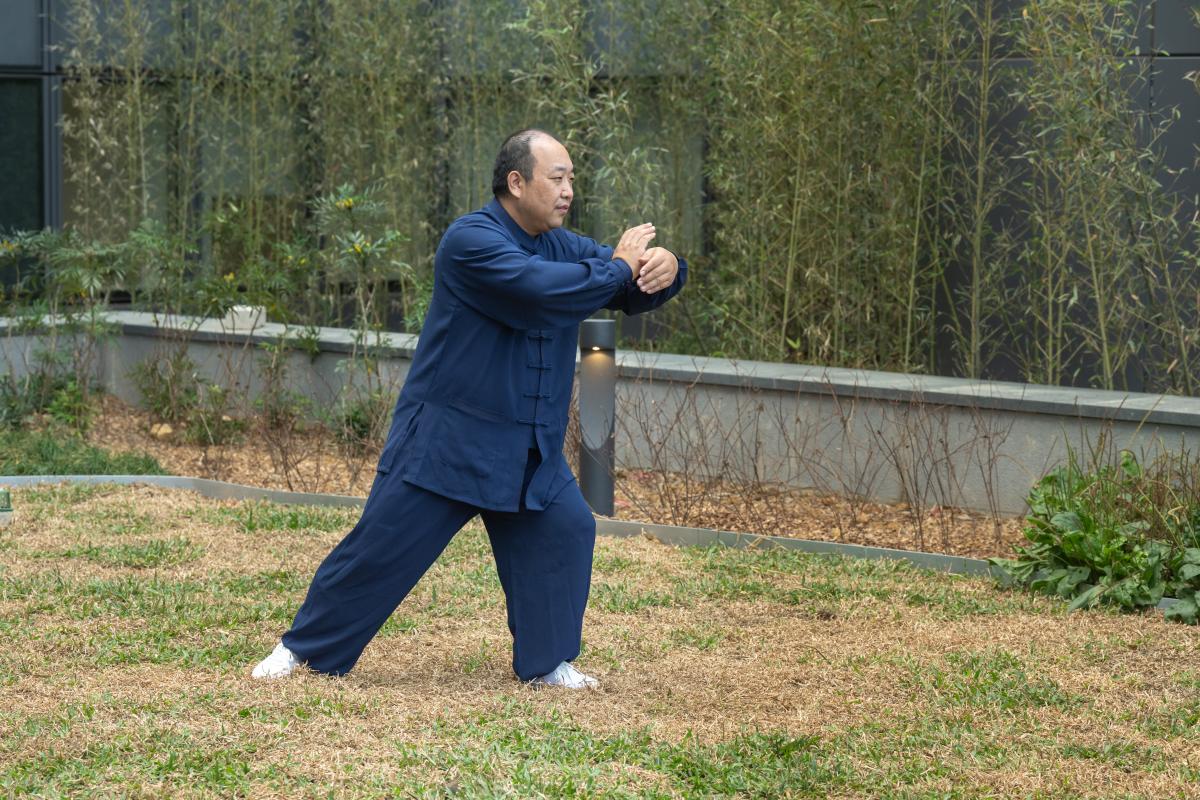 Introduced to Chinese martial arts from a young age, Prof. Peng believes that perseverance can overcome even the most difficult challenges
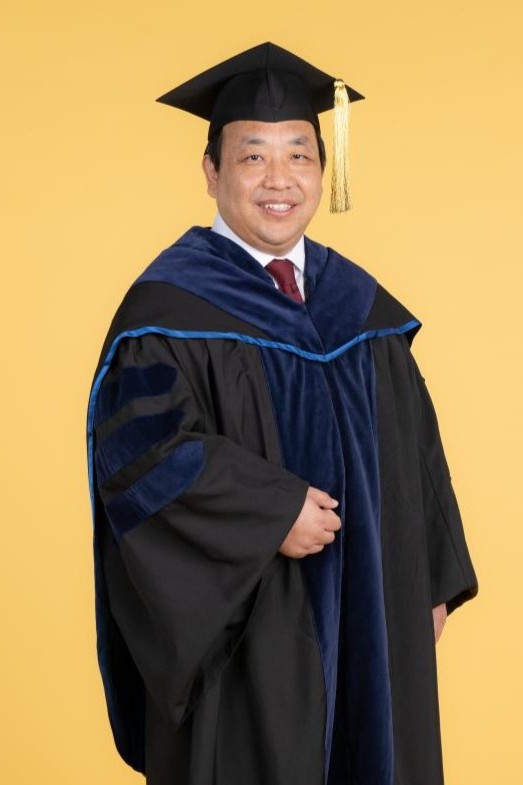 Prof. Peng has served as the Philip K.H. Wong Foundation Endowed Professor in Chinese Medicine – Geriatric Medicine since 2025
Professor Peng Bo
- Professor of Practice, School of Chinese Medicine, HKBU
- Philip K.H. Wong Foundation Endowed Professor in Chinese Medicine – Geriatric Medicine
- Author of four academic monographs and over 60 journal publications
- Co-developed and launched a novel drug with his research team
- Holder of two national invention patents
- Recipient of four research awards from the China Association of Chinese Medicine and provincial/ministerial authorities
- Awarded the School Performance Award by HKBU in 2024
- Named “Most Admired Chinese Medical Practitioner” by HKBU in 2022
- Lead author of the Hong Kong Novel Coronavirus Infection Chinese Medicine Diagnosis and Treatment Plan (《香港新型冠狀病毒感染中醫診療方案》)
- Co‑editor of Selected Medical Cases of COVID‑19 (《2019冠狀病毒病醫案選粹》)
- Doctorate in Clinical Medicine of Chinese and Western Medicine Integration, Nanjing University of Chinese Medicine