Navigating innovation with Chinese medicine's wisdom
Professor Li Min, Ma Pak Leung Endowed Professor in Innovative Neuromedicine
As the global trend of population ageing becomes increasingly pronounced, neurodegenerative diseases such as Alzheimer’s and Parkinson’s have emerged as significant threats to human health. These conditions not only affect patients but also impose a heavy burden on families, society, and healthcare systems. In the face of this challenge, Chinese medicine (CM), with its unique holistic philosophy, syndrome differentiation and treatment, and preventive focus, is being integrated with modern, evidence-based Western medicine. Through innovative research and development, this powerful fusion promises to enhance personalised treatment outcomes and improve the quality of life for elderly patients.
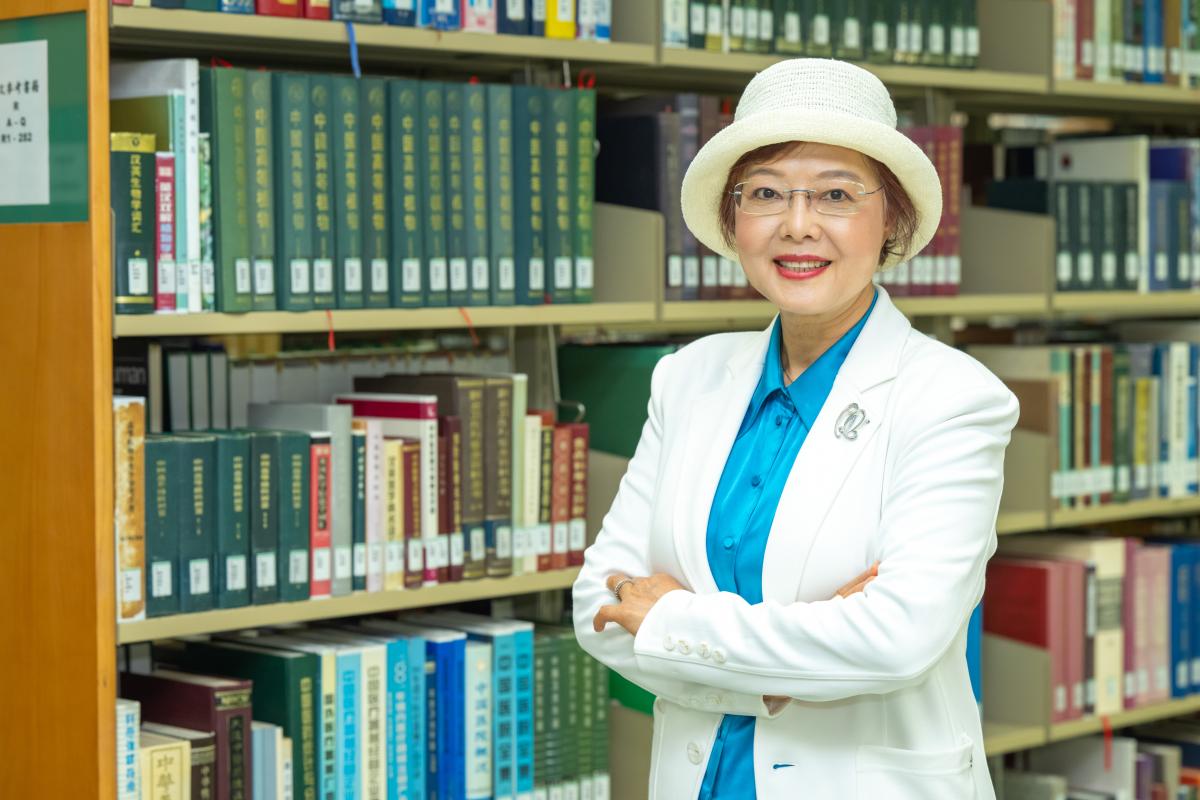
At the forefront of this movement stands Professor Li Min, Dean and Chair Professor of the School of Chinese Medicine at Hong Kong Baptist University (HKBU). A scholar with profound expertise and a track record of exceptional research in neurodegenerative diseases, she was appointed in 2024 as the “Ma Pak Leung Endowed Professor in Innovative Neuromedicine”. As a pioneer in integrated Chinese-Western medicine treatments for these conditions, her work not only advances the modernisation of CM but also provides fresh perspectives on health management for our global ageing society.
A looming crisis of age-related chronic diseases
Global demographics are undergoing a dramatic shift. According to the World Health Organization, the number of people aged 60 and above has exceeded one billion and is projected to reach 1.4 billion by 2030, accounting for one-sixth of the world’s population. In Hong Kong, the situation is even more pressing: the Census and Statistics Department predicts that by 2043, those aged 65 and above will comprise 36% of the city’s population. This signals not only increasing labour shortages and strains on pension systems but also a surge in chronic non-communicable diseases, particularly Alzheimer’s and Parkinson’s.
The pathogenesis of neurodegenerative diseases is highly complex, making drug treatment extremely challenging. Existing treatments primarily focus on symptomatic relief, offering no cure and often accompanied by significant side effects. “Patients with Alzheimer’s gradually lose the ability to care for themselves and require round-the-clock nursing,” Professor Li states. “As population ageing intensifies, the prevalence of Alzheimer’s disease is likely to rise further, creating an urgent need to develop new drugs that can slow the disease’s progression.”
Fusing CM’s essence with pioneer novel therapies
Convinced that only innovation can break the therapeutic deadlock, Professor Li leads her research team in a dedicated effort to validate the efficacy and safety of Chinese herbal medicines for Alzheimer’s and Parkinson’s diseases. Her approach marries CM principles with modern pharmacology, uniting traditional wisdom with molecular biology – most notably the mechanism of autophagy – to forge new pathways for treatment.
“Autophagy” is a vital mechanism for maintaining cellular health in the human body. By degrading and recycling damaged or old components, it promotes cell renewal, combats ageing, defends against invading bacteria and viruses, and enables cells to survive harsh conditions like hypoxia or starvation. When this process falters, it can give rise to neurodegenerative diseases, cancer, diabetes, and other conditions. Therefore, developing small-molecule autophagy modulators holds immense potential for treating a wide range of human diseases.
In 2016, Professor Li and her team successfully developed a novel autophagy modulator derived from Chinese herbal medicine. It works by clearing pathological protein aggregates, delivering both preventive and therapeutic benefits for neurodegenerative diseases like Parkinson’s and Alzheimer’s. This discovery secured multiple patents and was published in several prestigious international academic journals, earning widespread acclaim. In 2021, the team achieved another milestone with the development of “NeuroDefend”, a new CM formula for Alzheimer’s treatment. Built upon modified versions of the classical prescriptions “Huanglian Jiedu Decoction” and “Yuanhu Zhitong Powder”, and enriched with complementary herbs, this formula was shown in experiments on mice to significantly reduce Alzheimer’s-related pathological protein deposits in the brain and effectively improve cognitive function and memory.
In 2024, the team’s work was honoured with a silver medal at the 49th International Exhibition of Inventions of Geneva. Building on this success, Professor Li achieved further milestones in 2025: not only was she selected for the Hong Kong Scholars Program, securing funding to develop new Chinese medicines for ageing-associated neurodegenerative disorders, she also led a joint research team in obtaining a RMB 3 million grant under the Shenzhen-Hong Kong-Macau Science and Technology Programme (Category C) to conduct preclinical studies on the treatment of Alzheimer’s disease. These accomplishments further affirm the international recognition of the School of Chinese Medicine’s research excellence.
From heart to brain: a mission-driven transformation
Less known is that Professor Li’s research journey began in cardiovascular diseases. Her doctoral work focused on the pathological mechanisms and drug interventions for cardiovascular conditions, with neurodegenerative diseases lying far outside her scope at the time. However, a clinical encounter in 2002 dramatically altered her academic trajectory.
Professor Li recalls, “A patient who had suffered from Parkinson’s disease for over 15 years came to me for treatment. After three sessions of CM therapy, the patient’s symptoms showed significant improvement.” This case generated widespread attention within the Hong Kong Parkinson’s Disease Association, leading more patients to seek treatment from her. Faced with their trust and expectations, Professor Li felt a profound sense of responsibility. She realised the vast unmet need in neurodegenerative diseases and that CM might offer hope for these “incurable” conditions. Driven by this mission, she resolutely shifted her research focus to neurodegenerative diseases, embarking on an exploration spanning more than 20 years.
Since then, Professor Li has dedicated herself to finding novel diagnostic and therapeutic approaches for Alzheimer’s and Parkinson’s diseases, yielding remarkable results. In 2007, she was conferred the Award of Distinguished Female Chinese Medicine Practitioner by the China Association of Traditional Chinese Medicine. She was the sole Hong Kong recipient that year. In recent years, she has been listed repeatedly among the world’s top 2% of scientists by Stanford University, highlighting her influence in the international academic community. In 2024, she was honoured as the “Outstanding Scholar of the Year” at the 6th Brain Science and Chinese Medicine Conference. In April 2025, she assumed the role of Dean of the HKBU School of Chinese Medicine, becoming the first female dean since the School’s establishment.
The Ma Pak Leung Endowed Professorship: honour and responsibility
Among her numerous accolades, the appointment to the “Ma Pak Leung Endowed Professorship in Innovative Neuromedicine” stands out as particularly distinguished. This is a high honour that HKBU bestows upon scholars, affirming Professor Li’s research achievements and societal contributions. She expresses her sincere gratitude to Ma Pak Leung Company Limited for generously endowing this professorship, noting that this support not only encourages her personally but also helps HKBU to enhance its research capabilities, expand the frontiers of neurological medicine, and promote the innovative development of CM in Hong Kong. “I will continue to lead my research team,” she says, “dedicating ourselves to advancing CM for the treatment and prevention of neurodegenerative diseases, driving innovation in neuromedicine, and making positive contributions to human well-being.”
In the short term, Professor Li will focus on studying the neuroprotective effects of CM and translating innovative drug discoveries into clinical applications to benefit patients sooner. In the long term, guided by the principles of precision medicine, she aims to explore the deep integration of CM with modern neuroscience, foster international collaborations, and collectively address the health challenges posed by global ageing.
Whole person wellness: nurturing body and mind
Professor Li’s vision extends beyond personal achievements. In addition to promoting research translation, as a devoted educator she pours her heart into cultivating the next generation of CM practitioners, ensuring that the discipline’s torch is passed on. With rich clinical experience, a robust research foundation, and exceptional teaching abilities, she has steadfastly maintained an equal commitment to research, clinical practice, and teaching over her 24+ years at HKBU. She has spearheaded the development of multiple undergraduate and postgraduate CM programmes, and her own clinical cases involving Alzheimer’s and Parkinson’s patients serve as invaluable teaching materials, particularly in neurodegenerative disease modules.
Professor Li firmly believes that outstanding CM professionals require not only technical proficiency but also scientific acumen and humanistic compassion. This philosophy is reflected in her daily teaching and extends beyond the classroom. For instance, as an avid long-distance runner herself, she actively organises students’ participation in events such as the HKBU Marathon. She hopes to cultivate endurance in herself and her students through the rigours of running — an essential quality for achieving research breakthroughs and overcoming clinical challenges. Also, passionate about writing, Professor Li contributes regularly to newspaper columns, viewing creative expression as a vital means of intellectual reflection and self-improvement. These hobbies sustain her endless motivation amid demanding research and teaching responsibilities, propelling her forward along the scientific path.
She summarises, “I adhere to the principle of holistic development, imparting professional knowledge and skills while nurturing students into research-capable and practice-oriented talents. For excellent educators and professionals, maintaining sound physical and mental health is the bedrock of sustained innovation.”
Chinese medicine hospital launches a new stage for clinical research
With Hong Kong’s first Chinese medicine hospital commencing phased operations from December 2025, the local CM sector will usher in unprecedented opportunities, heralding a new chapter in its development. “The Chinese medicine hospital is poised to provide an expansive platform for pioneering neurological medicine research, offering a standardised and systematic environment for clinical studies and new drug trials targeting neurodegenerative diseases.” Professor Li states, “This will accelerate the research, development, and clinical translation of innovative Chinese medicines.” Furthermore, the hospital will serve as a clinical training base for CM students and practitioners from three local universities. It will also recruit local and overseas experts to promote Chinese-Western medical collaboration, advance interdisciplinary research, and enhance treatment efficacy and outcomes.
As Dean of HKBU’s School of Chinese Medicine and the Ma Pak Leung Endowed Professor in Innovative Neuromedicine, Professor Li is committed to seizing this historic opportunity. She will remain steadfast in her pursuit of excellence across research, teaching, and clinical practice, seamlessly integrating CM’s people-centred, prevention-first philosophy with cutting-edge precision medicine. The ultimate goal is to deliver comprehensive, personalised integrative treatment solutions for patients, thereby benefitting humanity worldwide.
*This interview was published in December 2025.
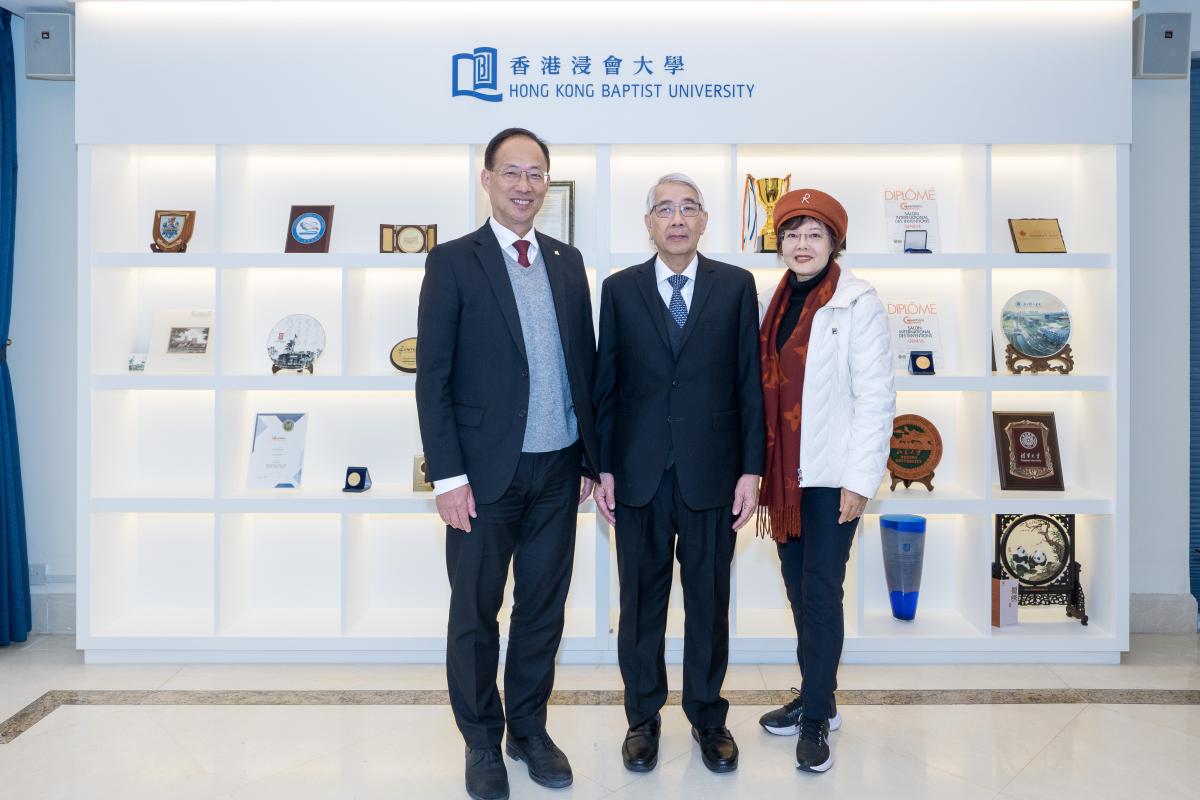 Prof. Li (right) expresses her gratitude to Ma Pak Leung Co., Ltd. for establishing this endowed professorship and poses for a group photo with Mr. Mongkolchai Mavichien (centre), the company’s director, and Prof. Alex Wai (left), President and Vice-Chancellor of HKBU
 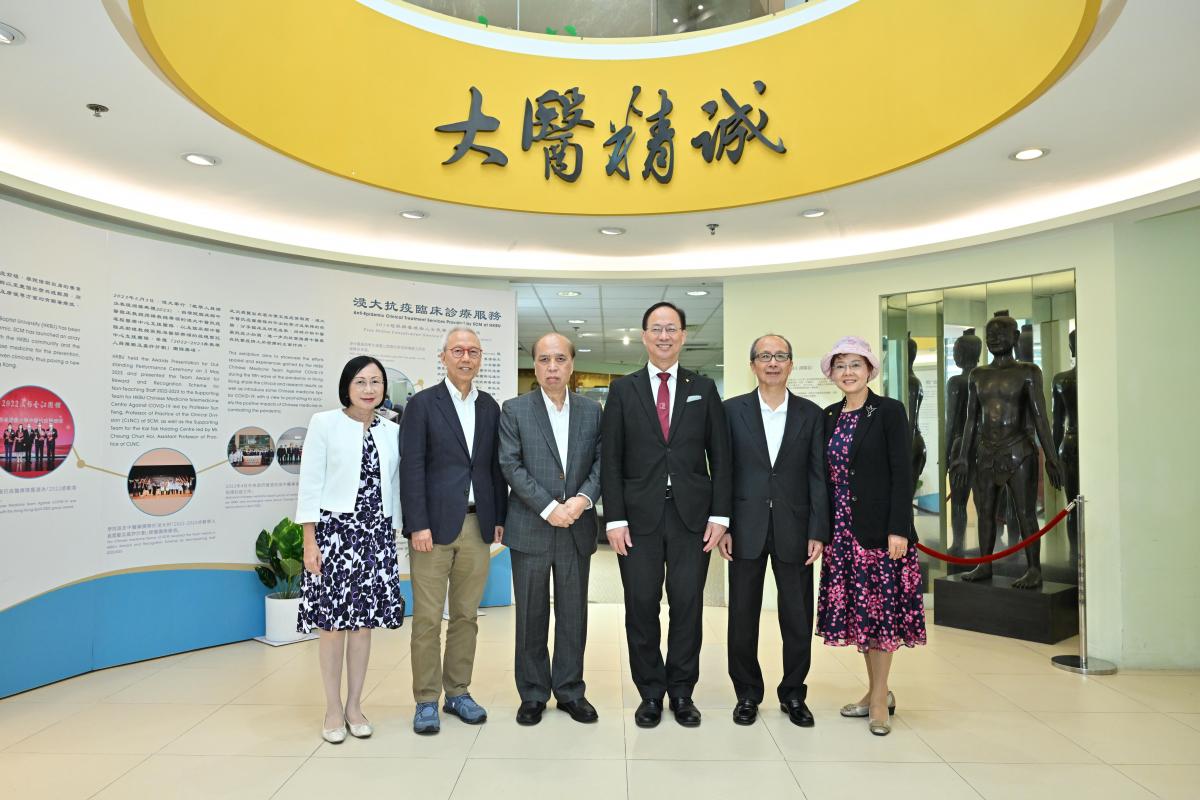 The founders of The Musketeers Education and Culture Charitable Foundation Limited visit the School of Chinese Medicine in August 2025. They gained a deeper understanding of the University’s strategies and cutting-edge research findings in preventing and treating geriatric diseases
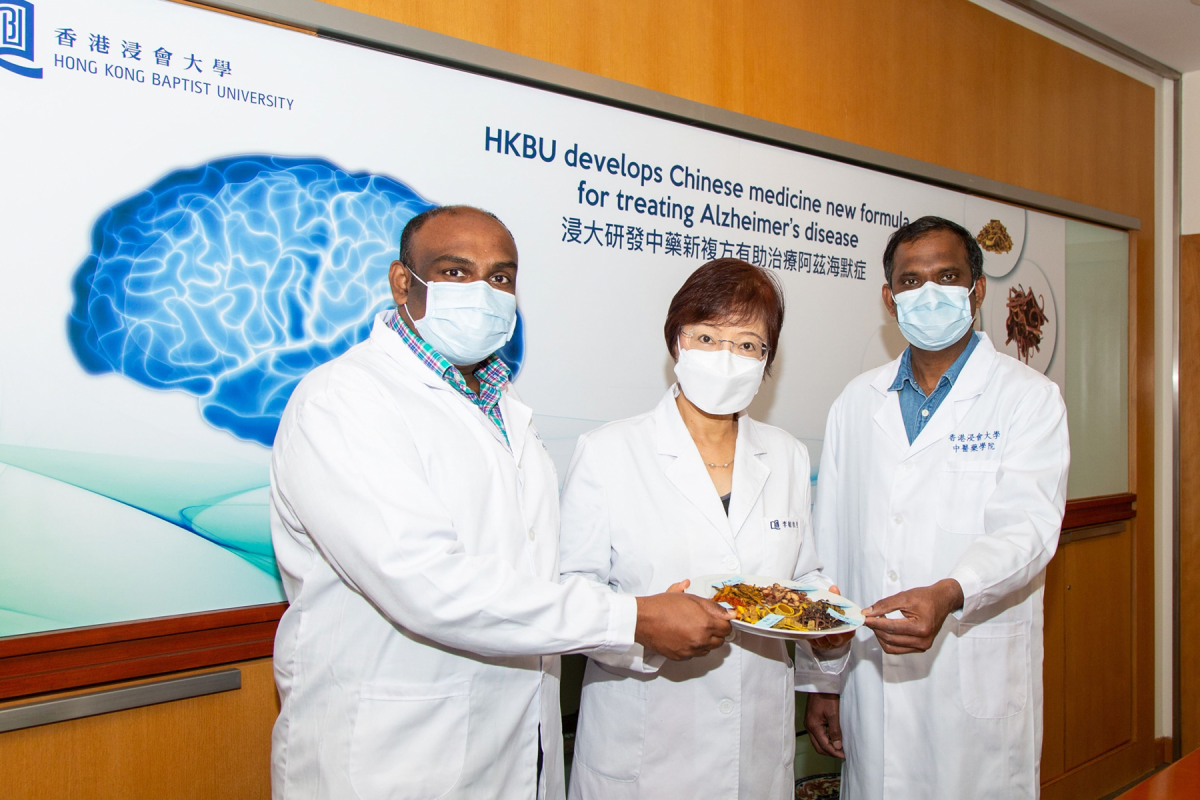 Prof. Li (centre); Dr. Ashok Iyaswamy (left), Research Assistant Professor at the HKBU School of Chinese Medicine; and Dr. K. Senthilkumar (right), Post-Doctoral Research Fellow of the HKBU Mr. and Mrs. Ko Chi Ming Centre for Parkinson's Disease Research, unveil the Chinese medicine formula “NeuroDefend”, offering new hope for patients with Alzheimer’s disease
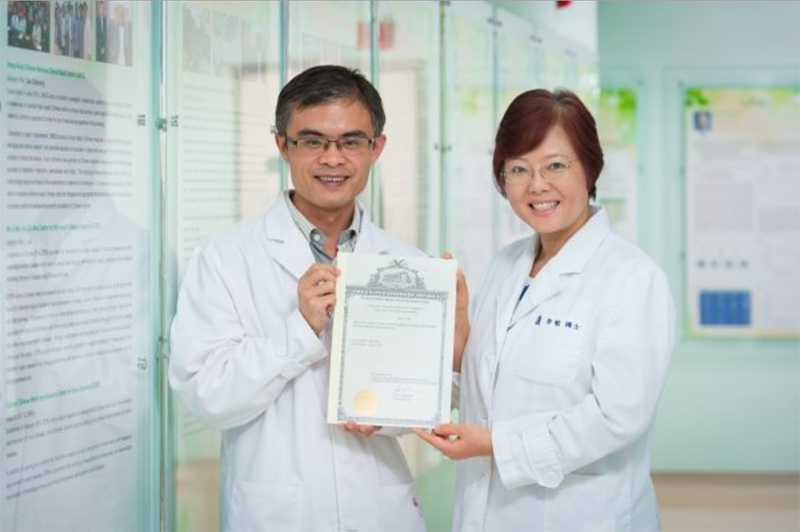 A novel autophagy modulator developed by Prof. Li and her team has been granted a U.S. patent
 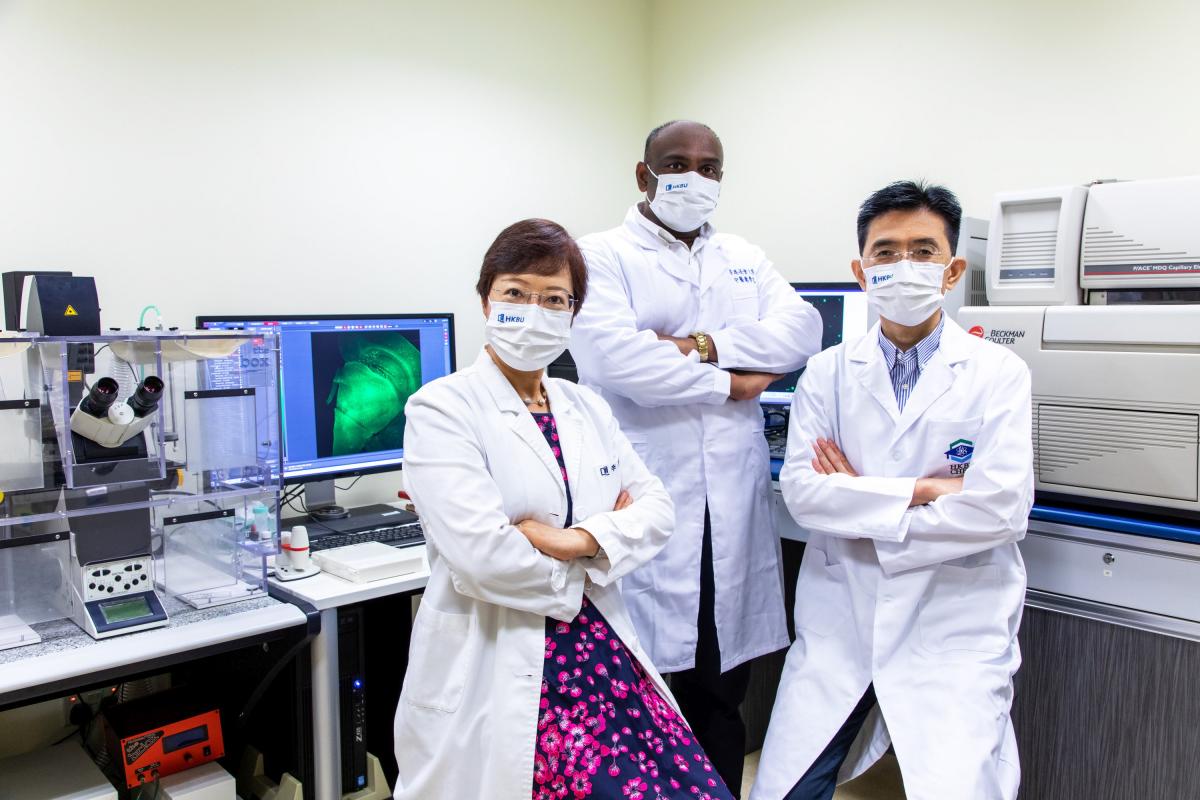 Prof. Li (left), Prof. Ricky Wong (right) and Dr. Ashok Iyaswamy (centre) have provided the first in vivo animal study evidence demonstrating that a multifunctional organic compound named F-SLOH can target multiple neurodegenerative pathologies
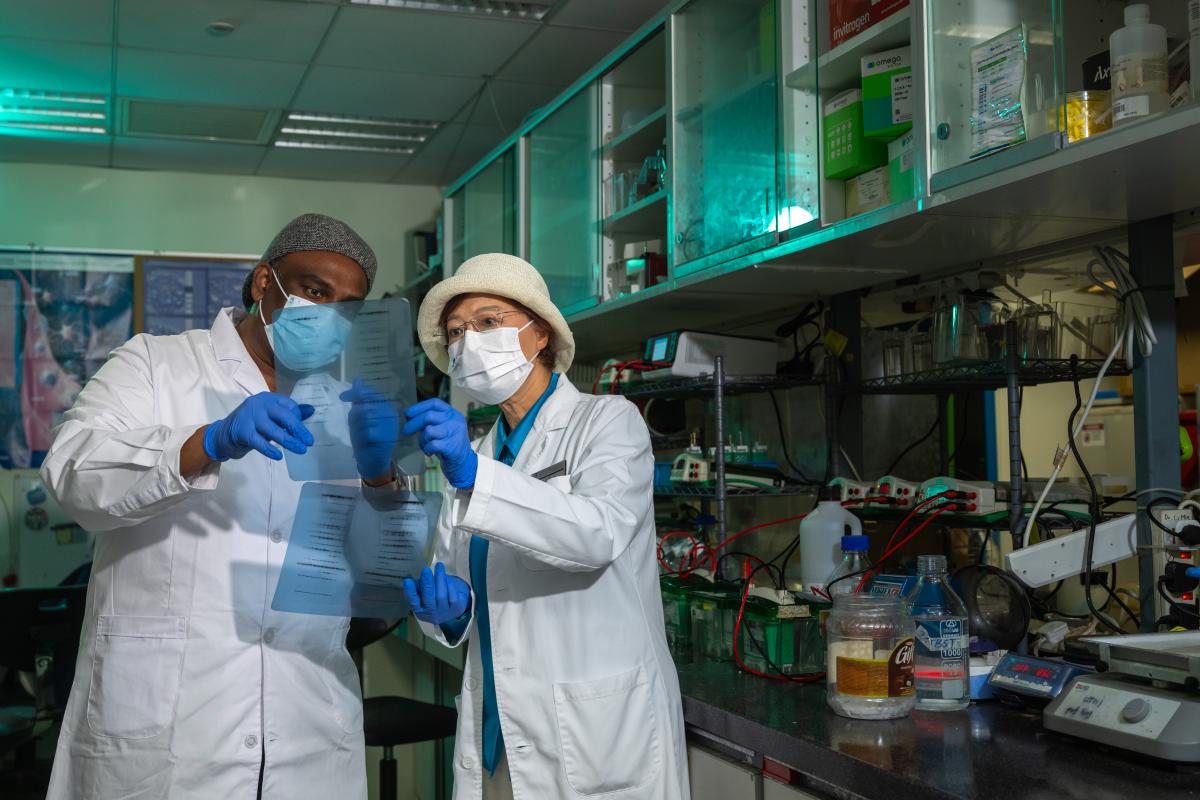 Prof. Li (right) and Dr. Ashok Iyaswamy have developed a novel drug delivery system for Gouteng compound for Alzheimer’s disease treatment
 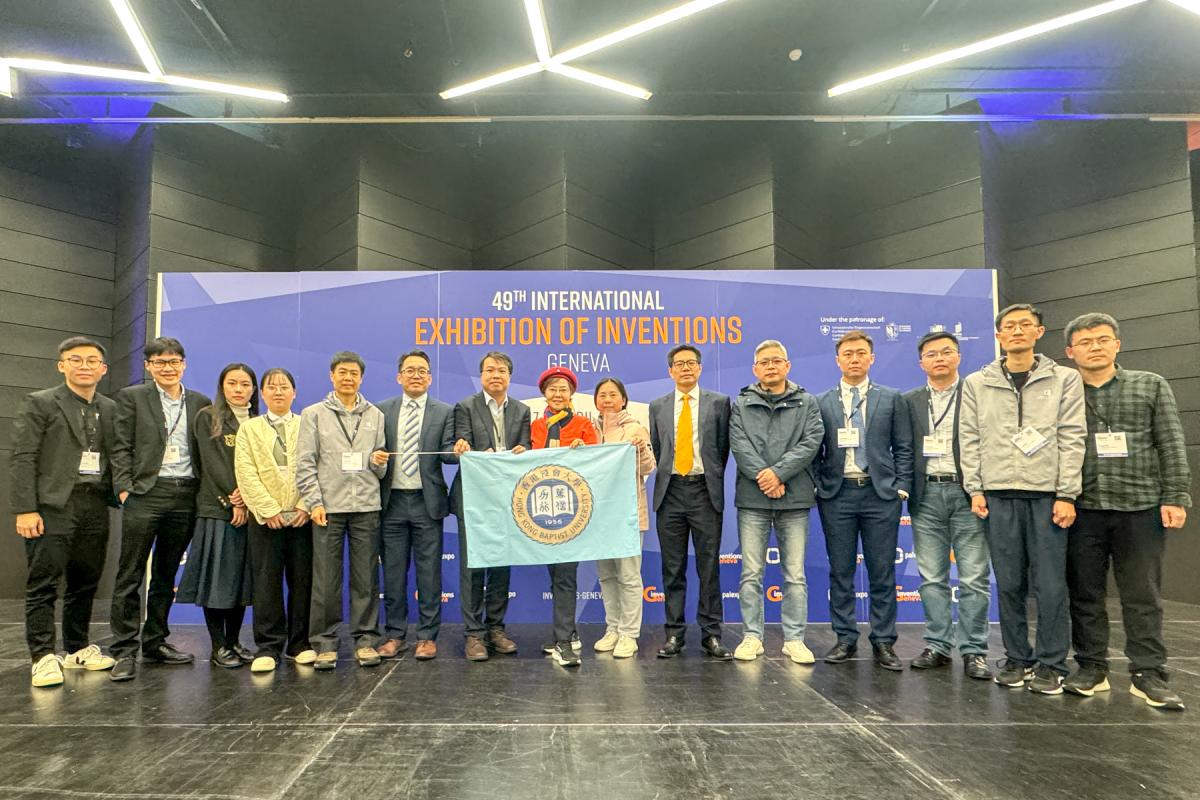 The research project led by Prof. Li, titled “MTOR-independent activator of TFEB for autophagy enhancement and uses thereof”, wins a silver medal at the 49th International Exhibition of Inventions Geneva
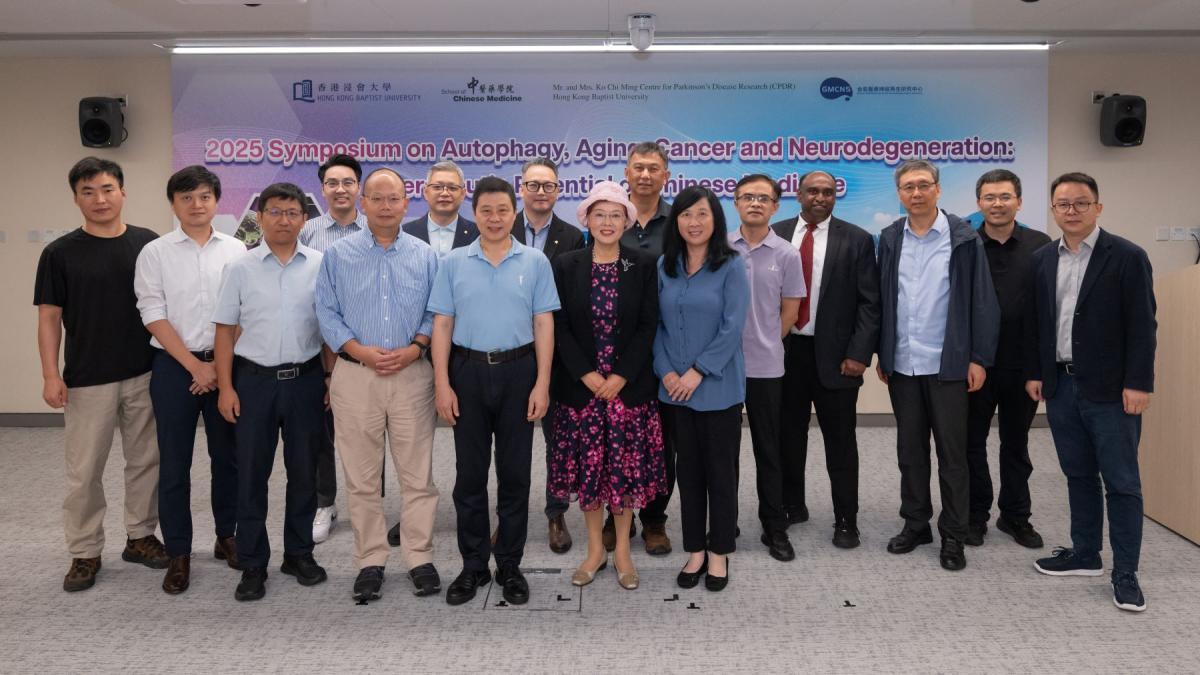 Prof. Li (front row, 2nd from right) discusses autophagy's role in ageing, cancer, and neurodegenerative diseases with fellow experts. They explored the potential of regulating autophagy through traditional Chinese medicine for cancer treatment and neuroprotection, jointly seeking innovative therapeutic approaches for age-related diseases
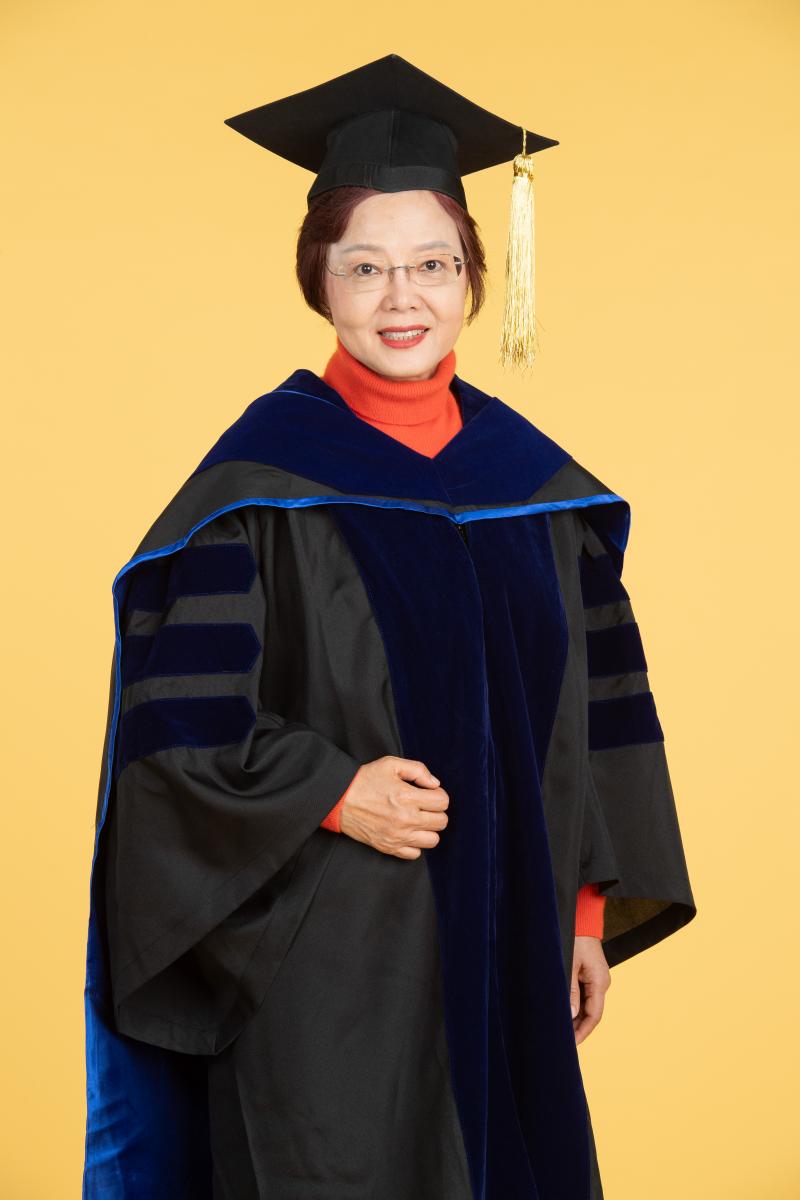 Prof. Li has held the Ma Pak Leung Endowed Professor in Innovative Neuromedicine since 2024
Professor Li Min
- Dean of Chinese Medicine, HKBU
- Chair Professor, School of Chinese Medicine, HKBU
- Ma Pak Leung Endowed Professor in Innovative Neuromedicine, HKBU
- Vice Director, Vincent V.C. Woo Chinese Medicine Clinical Research Institute, HKBU
- Director, Mr. & Mrs. Ko Chi Ming Centre for Parkinson’s Disease Research, HKBU
- Director, Golden Meditech Centre for NeuroRegeneration Sciences, HKBU
- Among world’s top 2% of scientists, named by Stanford University
- Award of Distinguished Female Chinese Medicine Practitioner, China Association of Chinese Medicine (2007)
- Award for Outstanding Performance in Scholarly Work, HKBU (2012)
- Award for Outstanding Performance in Teaching, HKBU (2013 and 2018)
- Award for Outstanding Performance in Research Supervision, HKBU (2024)
- Silver Medal at the 49th International Exhibition of Inventions Geneva (2024)
- Outstanding Scholar of the Year, 6th Brain Science and Chinese Medicine Conference (2024)
- Published 400+ articles in international journals (as of November 2024)
- Secured 20+ patents related to traditional Chinese medicine treatments for Alzheimer's disease and Parkinson's disease (as of December 2023)